Why Private-Label Lubricants Are Growing in Emerging Markets
In markets across the Middle East, Africa, and Central Asia, demand for lubricants is rising—but buyers are becoming more selective. Importers and distributors no longer rely solely on global brands; they increasingly invest in their own private-label engine oil lines. The shift is driven by pricing pressure, competitive differentiation, and the need for better control over product specifications and margins. For international buyers, private-label lubricants offer a strategic opportunity to build a recognizable brand while maintaining full control over quality and supply.
The Market Shift: Why Private Label Is Gaining Momentum
Across emerging markets, distributors are facing a complex set of challenges: volatile pricing, rising logistics costs, currency instability, and tougher competition from Turkish and UAE suppliers. Private labeling addresses these challenges by offering:
Better profit margins
Stronger brand visibility
Direct control over formulation and positioning
Reliable product availability without depending on multinational production cycles
With the right manufacturing partner, private-label lubricants can match or even exceed the performance of imported global brands.
How Private Label Strengthens Distributor Competitiveness
Private-label engine oil is not “cheap oil.” When blended with high-quality Group II/III base stocks and genuine additive packages, it delivers premium performance at a more flexible cost structure.
Key advantages for distributors:
Freedom to set market pricing
Consistent availability for fleets and service centers
Ability to launch product lines tailored to local climate and OEM demand
Immediate response to market shifts without waiting for brand approvals
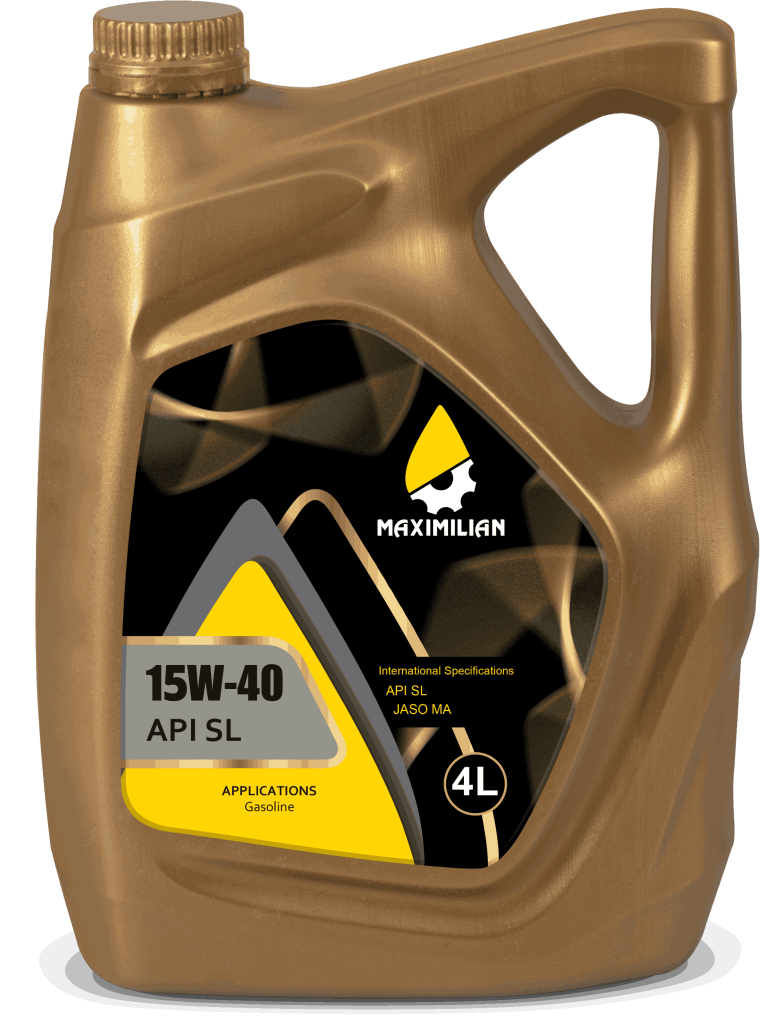
Full customization: bottle design, label layout, multilingual packaging, and brand story
This flexibility is crucial in regions with diverse vehicle fleets and extreme temperature variations.
Why Emerging Markets Are Adopting Private Label Faster
Several factors accelerate adoption across high-growth economies:
High price sensitivity
Buyers compare value rather than brand prestige. Private-label lines can offer API-certified quality at more affordable prices.
Younger automotive fleets
Many markets rely on mixed-origin vehicles—Japanese, Korean, Chinese, and European—requiring a range of viscosities and specifications that private labels can quickly supply.
Rapid expansion of local distribution networks
Distributors want to build a recognizable brand identity across workshops, retail stores, and online platforms.
Political and currency instability
Local brands provide stability when multinational supply chains fluctuate.
What Makes a Successful Private-Label Lubricant Line
A strong private-label program is built on engineering quality and clear positioning—not just packaging.
Critical success factors:
Use of approved additive packages from Infineum, Afton, Lubrizol, or Oronite
Stable formulations with predictable performance
Compliance with API SP/SN/SM or CI-4/CJ-4/CK-4 categories
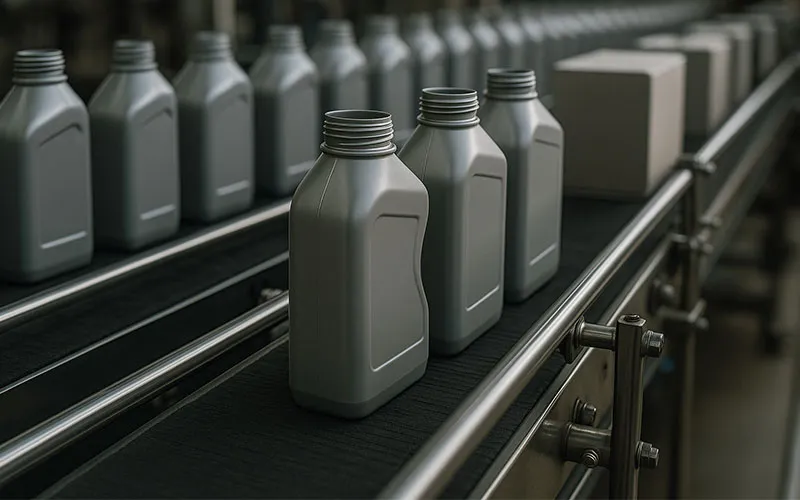
High-quality packaging with durable HDPE bottles
Professional branding aligned with market expectations
Export-ready documentation and QC reports
Distributors who prioritize quality maintain long-term credibility and customer trust.
Industries Driving Demand for Private-Label Lubricants
Private-label demand spans more than passenger vehicles. Growth is coming from:
Commercial fleets
Construction equipment
Agriculture machinery
Marine and industrial applications
Service centers and workshops
Wholesale distributors supplying multiple retail tiers
These sectors value consistency, availability, and cost efficiency—areas where private-label lines outperform big-brand imports.
Internal Links to Strengthen Reader Engagement
Highly relevant technical articles readers may explore next:
How Base Oils (Group II/III) Affect Lubricant Performance
The Role of Additive Packages in Modern Engine Oils
A Buyer’s Guide to Gear Oils: GL-4 vs GL-5
QC Checklist for Importing Lubricants
These help guide buyers deeper into the decision-making process.
Conclusion
Private-label lubricants are rapidly transforming emerging markets by giving distributors control, flexibility, and stronger margins without compromising product quality. When supported by high-performance formulations, strong QC documentation, and professional packaging, private-label brands can compete directly with global names—and often outperform them in local relevance and availability.
FAQ
Are private-label lubricants as good as established global brands?
Yes, when blended using Group II/III base oils and approved additive packages. Many private-label lines match or exceed the performance of multinational products.
Can private-label oils meet API and OEM requirements?
Absolutely. A reputable manufacturer provides formulations aligned with API SP, SN, CI-4, CK-4, and specific OEM standards.
How long does private-label production take?
Most suppliers offer a 5–10 day production window, depending on packaging customization and order volume.
Call to Action
If you’re considering launching your own private-label lubricant line, our team can support you with premium formulations, custom packaging, and full export documentation—designed for high-growth markets.
Request a Quote — Start Your Brand — WhatsApp Support
Contact Information
For technical or commercial inquiries:
Email: info@maximilianoil.com
Phone: +971 58 599 2068
Address: Al Sabkha Tower, Dubai, UAE