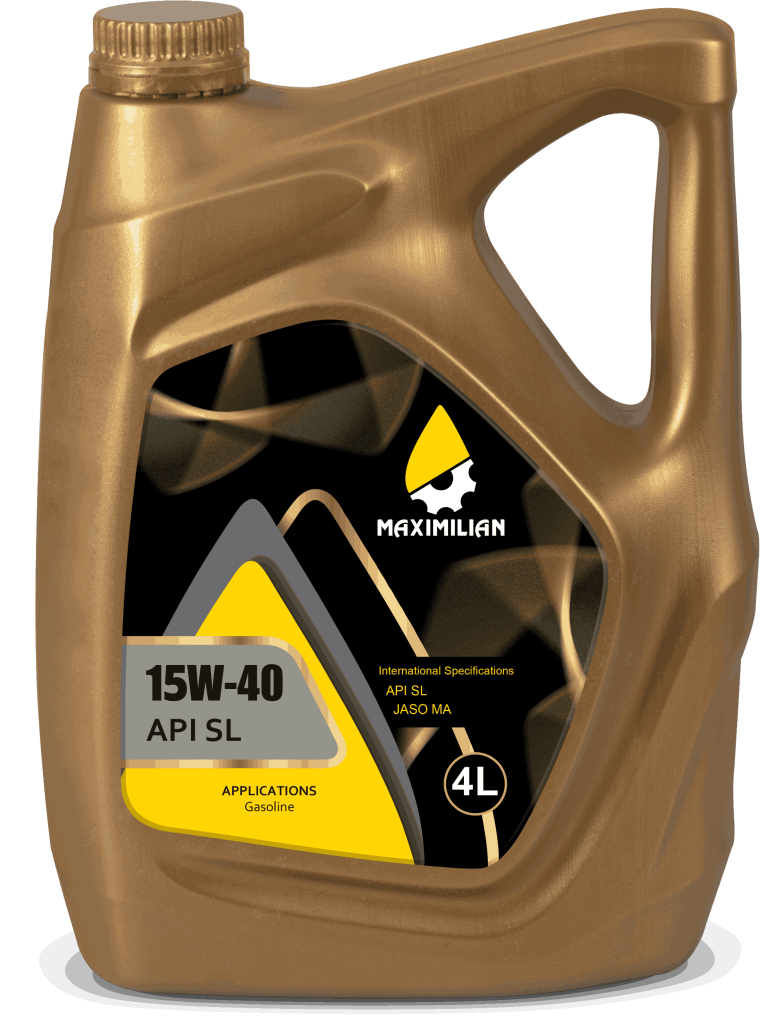
Understanding Viscosity Grades: SAE 10W-40, 15W-40, 20W-50 Compared
Export buyers serving markets in the Middle East, Africa, and Central Asia deal with a wide variety of vehicle types—old-generation engines, modern low-friction engines, and heavy-duty fleets that operate in extreme heat. Choosing the right viscosity grade of engine oil is one of the most critical decisions affecting engine durability, fuel efficiency, and long-term customer satisfaction. This guide explains the differences between SAE 10W-40, 15W-40, and 20W-50 and helps importers reduce risk when selecting products for diverse climates and engine technologies.
Why Viscosity Matters in engine oil
Viscosity determines how an oil flows at low temperatures (cold starts) and how well it protects the engine at high temperatures. For hot-climate regions, the high-temperature viscosity (the second number) is especially important for preventing wear, oxidation, and oil thinning.
Poor viscosity selection leads to:
Excessive engine wear
Sludge and oxidation
Low oil pressure
Higher operating temperatures
Reduced engine life
This is why global importers must understand viscosity behavior before choosing products for their markets.
Breaking Down SAE Grades
SAE multigrade oils use two numbers to describe flow characteristics:
The “W” rating (e.g., 10W, 15W) = cold-start performance
The second number (40, 50) = viscosity at operating temperature
Below is a technical comparison.
SAE 10W-40: Balanced Protection for Mixed Vehicle Fleets
Best suited for:
Modern gasoline engines
Light-duty diesel engines
Passenger cars operating in mild to hot climates
Small fleets with mixed vehicle types
Performance characteristics:
Good cold-start fluidity
Stable high-temperature viscosity
Compatible with engines requiring mid-range protection
Why importers choose it:
10W-40 is versatile and works well for markets with a mix of older and newer vehicles.
SAE 15W-40: The Global Heavy-Duty Standard
Best suited for:
Heavy-duty diesel engines
Trucks, buses, construction equipment
High-temperature regions
Fleets running long hours or carrying heavy loads
Performance characteristics:
Excellent shear stability
Strong wear protection under load
High oxidation resistance
This grade is one of the most demanded worldwide due to reliability and broad OEM compatibility.
SAE 20W-50: High-Viscosity Protection for Older Engines
Best suited for:
Older engines with higher tolerances
Markets with extreme heat (up to 50°C)
Engines experiencing oil consumption
Motorcycles and older diesel vehicles
Performance characteristics:
Thick, high-temperature film
Reduced oil burn-off in worn engines
Lower fuel efficiency compared to 10W-40 or 15W-40
Importers commonly supply 20W-50 for markets dominated by older vehicles or harsh operating conditions.
Viscosity Comparison Table
| SAE Grade | Cold-Start Performance | High-Temp Protection | Ideal Climate | Target Vehicle Segment |
|---|---|---|---|---|
| 10W-40 | Excellent | Medium-High | Mild to Hot | Modern gasoline & light diesel |
| 15W-40 | Good | High | Hot | Heavy-duty diesel fleets |
| 20W-50 | Moderate | Very High | Very Hot | Older engines, high mileage |
How Climate Influences Viscosity Selection
Hot-climate import markets require oils with:
Higher high-temperature viscosity (40 or 50)
Strong antioxidant packages
Group II or III base oils for stability
Excellent shear resistance
Extreme heat accelerates oil thinning, making 15W-40 and 20W-50 ideal for many Middle Eastern and African markets.
Matching Viscosity to Engine Technology
To avoid warranty claims and customer complaints, importers must align viscosity with engine design:
Modern fuel-efficient engines → 10W-40
Euro II / Euro III diesel engines → 15W-40
Older or worn engines → 20W-50
High-performance turbo engines → high-stability 10W-40 with strong oxidation control
Incorrect viscosity selection can harm lubrication, increase oil consumption, or cause thermal stress.
What Importers Should Verify Before Ordering
Reliable suppliers provide full QC documentation. Importers should confirm:
Base oil type (Group II/III recommended)
Additive package origin (Afton, Infineum, Lubrizol)
Viscosity index
TBN and oxidation stability
No VI breakdown under shear
Batch traceability
COA (Certificate of Analysis) for each shipment
Consistency is essential for fleets and retail distributors in competitive markets.
Internal Links to Increase Engagement
Understanding Oxidation Stability in High-Temperature Operations
How to Reduce Engine Wear with High-Performance Lubricants
QC Checklist for Importing Lubricants
These reinforce technical trust and encourage deeper browsing.
Conclusion
Viscosity grade selection is one of the most important decisions for importers supplying diverse markets. By understanding SAE ratings and matching them to local climate, engine technology, and customer needs, buyers reduce risk and ensure long-term engine protection. High-quality 10W-40, 15W-40, and 20W-50 formulations provide reliable options for virtually every vehicle segment in emerging markets.
FAQ
Which viscosity grade is best for hot climates?
15W-40 and 20W-50 offer stronger high-temperature protection for hot regions.
Can 10W-40 replace 15W-40 in diesel engines?
Not recommended for heavy-duty applications; 15W-40 provides superior load and heat stability.
Is 20W-50 suitable for modern engines?
Generally no; it is too thick for engines designed with tighter tolerances.
Call to Action
Looking for stable, export-ready viscosity grades with OEM-aligned formulations? Our engine oils are blended with Group II/III base stocks and premium additive packages.
Request a Quote — Download Full Product List — WhatsApp Support
Contact Information
Email: info@maximilianoil.com
Phone: +971 58 599 2068
Address: Al Sabkha Tower, Dubai, UAE