How to Select ATF Fluids for Modern Automatic Transmissions
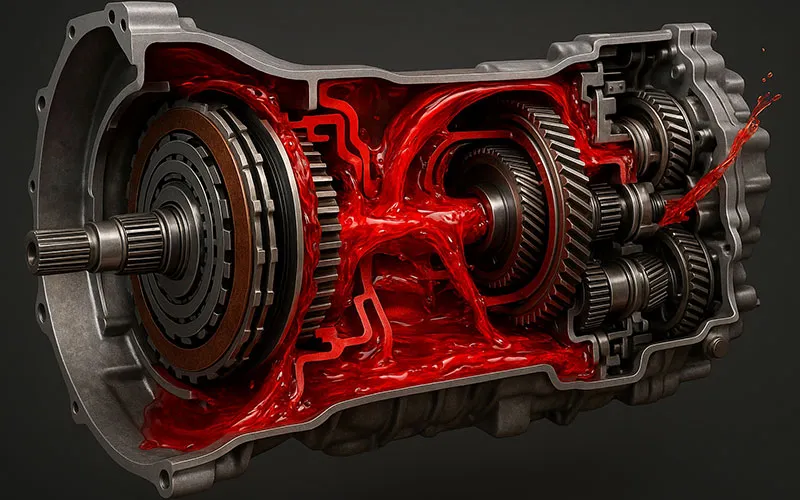
Automatic transmissions have evolved dramatically in the last decade—from conventional torque-converter units to advanced DCT, CVT, and 8–10-speed systems designed for efficiency and performance. As these systems become more sophisticated, the role of ATF (Automatic Transmission Fluid) has shifted from a basic lubricant to an engineered fluid with highly specialized friction behavior, thermal stability, and shear resistance.
For international buyers supplying high-temperature markets across the Middle East, Africa, and Central Asia, choosing the right ATF is essential for gearbox durability, smooth shifting, and customer satisfaction. This guide explains how ATF specifications work, what to verify before importing, and how to minimize risk when supplying multiple OEM requirements.
Why ATF Selection Is Critical for Modern Vehicles
Automatic transmissions are extremely sensitive to fluid chemistry. The wrong ATF can cause:
Harsh or delayed shifting
Overheating and varnish formation
Clutch slippage
Reduced fuel efficiency
Premature gearbox failure
Costly warranty claims
Because buyers often serve markets with mixed vehicle origins (Japanese, Korean, American, European, Chinese), choosing the right ATF determines whether customers trust your brand—or move on to competitors.
Understanding the Main Types of ATF for Modern Transmissions
Different transmissions require different ATF chemistries. Below are the most important categories importers must recognize.
Dexron II / III
Older-generation ATF used in many traditional torque-converter automatics.
Best for:
Pre-2005 Japanese and American vehicles
Light commercial vehicles in developing markets
Cost-sensitive fleets
ATF SP-III / SP-IV / AL4
OEM-specific fluids used in Hyundai/Kia, Mitsubishi, and Renault-derived systems.
Best for:
Korean vehicles (very common in GCC and Africa)
Light-duty passenger cars
High-temperature conditions
CVT Fluid
Designed for continuously variable transmissions using steel belts or chains.
Key requirements:
Precise friction modification
High shear stability
Anti-slip chemistry
Common markets:
Japanese and Chinese vehicles
DCT (Dual-Clutch Transmission) Fluid
Used in wet or dry dual-clutch systems found in modern performance and mid-range vehicles.
Required features:
Excellent high-shear resistance
Controlled friction for rapid clutch engagement
Strong thermal stability
This is one of the fastest-growing ATF segments in emerging markets.
Key Performance Criteria for ATF Selection
Importers should evaluate ATF fluids based on the following technical performance areas:
Friction stability for smooth, consistent shifting
Shear stability to maintain viscosity under high stress
Oxidation resistance for long drain intervals
Thermal stability in high-temperature climates
Anti-foam properties for hydraulic control accuracy
Seal compatibility for preventing leaks
Wear protection for clutch packs and gears
Modern ATF is engineered to satisfy not only lubrication needs but also electronic and hydraulic control demands in advanced transmissions.
How Climate and Driving Conditions Influence ATF Choice
Hot-climate markets require ATF with:
Higher thermal stability
Low-volatility base oils (Group II/III)
Strong antioxidant systems
Resistance to viscosity breakdown
Vehicles operating under:
Heavy traffic
Towing
High loads
Long-distance driving
will require premium ATF formulations to prevent overheating and varnish formation.
ATF Compatibility: The Most Common Importer Mistake
Many buyers assume Dexron III works for all automatic transmissions—it doesn’t.
CVT, DCT, and SP-IV require precisely engineered friction characteristics that cannot be substituted.
Misapplication leads to:
Harsh or unpredictable shifting
Premature clutch wear
Solenoid malfunction
Higher transmission temperature
Failure of electronically controlled valves
Always follow OEM compatibility charts or supplier documentation.
Pre-Import Quality Checklist for ATF Buyers
To avoid costly issues, verify:
Base oil group (Group II/III recommended for hot markets)
OEM specifications met (e.g., SP-IV, DCT, CVT, Dexron III)
Additive package origin (Infineum, Lubrizol, Afton, Oronite)
COA lab tests for viscosity, VI, and oxidation
Shear stability test results
Packaging durability (especially for long-distance export)
Clear labeling and batch traceability
Reliable suppliers provide full documentation with every shipment.
Internal Articles to Increase Engagement
Linking to these articles deepens reader understanding:
A Buyer’s Guide to Gear Oils: GL-4 vs GL-5
How Base Oils Influence Lubricant Performance
QC Checklist: Verifying Lubricant Quality Before Importing
They guide the reader naturally through related technical topics.
Conclusion
Choosing the right ATF requires understanding modern transmission technology, OEM requirements, and the environmental challenges common in emerging markets. Importers who supply high-quality ATF that meets OEM specs gain a competitive edge through fewer customer complaints, longer transmission life, and stronger brand loyalty.
FAQ
Can Dexron III replace SP-IV or CVT fluid?
No. Each requires a unique friction profile and cannot be substituted without damaging the transmission.
Do DCT transmissions need special ATF?
Yes. DCT fluids must handle high heat, rapid clutch engagement, and strong shear forces.
How often should ATF be changed in hot climates?
More frequently than in moderate climates. High temperatures accelerate oxidation and fluid degradation.
Call to Action
Looking for ATF fluids engineered for modern transmissions and blended in the UAE with export-ready QC reports? Our team can help you choose the right ATF products for your market.
Request a Quote — Download Catalogue — WhatsApp Support
Contact Information
For technical or commercial inquiries:
Email: info@maximilianoil.com
Phone: +971 58 599 2068
Address: Al Sabkha Tower, Dubai, UAE