How to Reduce Engine Wear with High-Performance Lubricants
Engine wear remains one of the biggest operational challenges for fleets, workshops, and distributors across the Middle East, Africa, and Central Asia. Harsh temperatures, dusty environments, long operating hours, and variable fuel quality all accelerate wear—raising maintenance costs and increasing customer complaints. For international buyers responsible for selecting engine oil, choosing the right high-performance lubricant can dramatically reduce wear and extend engine life. This guide explains the science behind engine wear, how lubricants prevent it, and how buyers can confidently select oils that deliver consistent protection.
Why Engine Wear Happens Faster in Harsh Markets
Wear increases significantly when engines operate under extreme conditions. Several factors contribute to premature damage:
High ambient temperatures leading to faster oxidation
Dust and contaminants entering the combustion chamber
Poor or inconsistent fuel quality
Overloaded commercial vehicles
Long drain intervals without proper oil selection
Turbocharged engines operating at high pressure
High-performance lubricants are engineered to counter these stressors and maintain protection across diverse environments.
How High-Performance Lubricants Reduce Engine Wear
Stronger Lubrication Film and Metal Protection
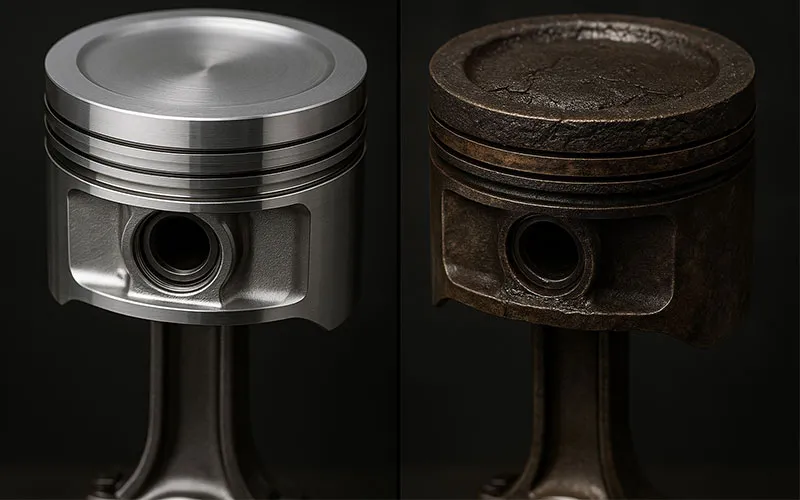
High-performance oils maintain a stable film at high temperatures and pressures, reducing metal-to-metal contact. This protects critical components such as bearings, pistons, and camshafts.
Advanced Anti-Wear Additives (ZDDP and Beyond)
Modern oils use optimized anti-wear agents that form protective layers on metal surfaces, preventing scuffing and friction damage.
Superior Oxidation and Thermal Stability
Quality base oils (Group II/III) combined with strong antioxidant systems prevent oil thickening, varnish, and deposits—key contributors to engine wear.
Improved Soot and Deposit Control
Dispersants keep soot particles suspended, preventing sludge and abrasive buildup that can accelerate cylinder and ring wear.
Shear-Stable Viscosity Index Improvers
These ensure the oil maintains optimal viscosity throughout the operating cycle—even in high-load diesel engines.
Friction Modifiers for Fuel Efficiency and Lower Heat
Reduced friction means lower operating temperatures and slower wear progression across the engine.
Key Features Importers Should Look For
To protect engines effectively and meet customer expectations, buyers should verify:
Use of Group II or Group III base oils
High-quality additive systems from Infineum, Lubrizol, Oronite, or Afton
Compliance with API SP, SN, CI-4, CJ-4, or CK-4 categories
Strong oxidation and shear stability test results
Full QC documentation for every batch
Proven performance in hot-climate markets
These indicators confirm the oil’s ability to reduce wear consistently over long duty cycles.
Comparison Table: Wear Protection Capabilities
| Feature | Standard Oil | High-Performance Oil |
|---|---|---|
| Oxidation Resistance | Moderate | Excellent |
| Film Strength | Medium | High |
| Soot Control | Low/Medium | High |
| Deposit Prevention | Limited | Strong |
| Anti-Wear Protection | Basic | Advanced |
| High-Temp Viscosity Stability | Moderate | Excellent |
| Ideal Use Case | Light duty | Heavy duty / harsh climates |
Internal Links for Better Engagement
Suggested related reading:
The Role of Additive Packages in Modern Engine Oils
How Base Oils (Group II/III) Affect Lubricant Performance
CI-4, CJ-4, CK-4 Compared
These pieces help the reader develop a complete understanding of lubricant performance.
Subtle Commercial Positioning
High-performance lubricants engineered with premium additive packages and high-purity base oils deliver more consistent protection and longer engine life. For importers, choosing such formulations reduces customer complaints, strengthens brand reputation, and ensures stable performance across all batches—critical advantages in competitive markets.
Conclusion
Reducing engine wear requires more than simply choosing the correct viscosity. Buyers must evaluate the base oil quality, additive system, oxidation stability, and shear resistance of the engine oil. High-performance lubricants provide stronger wear prevention, better deposit control, and more reliable performance in hot climates and heavy-duty operations. Selecting oils with proven performance helps fleets operate more efficiently and gives distributors a competitive advantage.
FAQ
Does using high-performance oil extend drain intervals?
Yes. Better oxidation control and soot handling mean the oil lasts longer, but final intervals should follow OEM guidelines.
Is synthetic oil always required to reduce wear?
Not always. High-quality Group II/III mineral oils with strong additive systems also deliver excellent wear protection.
How can I verify the wear protection level of an oil?
Request technical datasheets, additive source information, and QC reports. Look for API categories aligned with modern engine requirements.
Call to Action
If you need high-performance engine oils designed to reduce wear in demanding environments—and supported by complete export documentation—our technical team is ready to help.
Request a Quote — Download Catalogue — WhatsApp Support
Contact Information
For technical or commercial inquiries:
Email: info@maximilianoil.com
Phone: +971 58 599 2068
Address: Al Sabkha Tower, Dubai, UAE