How to Choose the Right Engine Oil for Hot-Climate Markets (Middle East & Africa)
A Complete Technical Guide for International Buyers & Distributors
Introduction: Why Hot-Climate Markets Need a Different Approach
For buyers operating in the Middle East and Africa, engine oil selection is never a simple “specification matching” exercise. Extreme heat, dusty environments, high-load engines, variable fuel quality, and long drain intervals all challenge lubricant performance. And as an international buyer responsible for import decisions, the wrong oil doesn’t just reduce engine efficiency—it increases warranty risks, customer complaints, regulatory pressure, and total cost of ownership.
This guide explains exactly what to look for when choosing engine oil for high-temperature regions and how to evaluate suppliers based on technical reliability, API compliance, and consistency across batches—the criteria that matter most to professional exporters, OEM assemblers, and fleet distributors.
Understanding Hot-Climate Stress on Engine Oils
High ambient temperatures and heavy-duty operating cycles accelerate oxidation, shear, volatility, and sludge formation. The right formulation must therefore deliver:
High thermal stability
Strong oxidation resistance
Retention of viscosity under extreme load
Cleanliness in dusty environments
Reliable wear protection for long intervals
This is why engine oils for hot climates are not interchangeable with formulations designed for Europe, North America, or colder regions.
Key Factors to Consider When Choosing Engine Oil for MENA & Africa
Viscosity Grade (SAE) for High Temperatures
In hot climates, the engine oil must maintain thickness under severe heat.
Recommended viscosity grades for these markets:
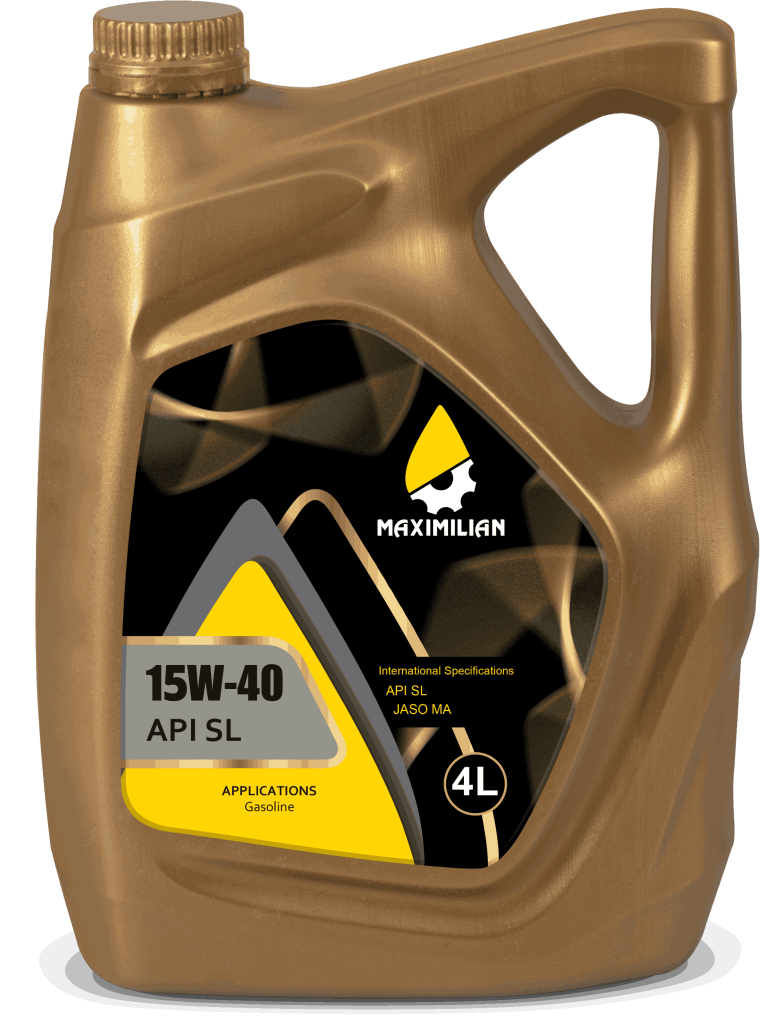
Gasoline: SAE 10W-40, 15W-40, 20W-50
Diesel: SAE 15W-40, 20W-50
These grades provide better film strength and lower volatility under extreme heat.
Quick Comparison Table
| SAE Grade | Best Use Case | Climate Suitability | Notes |
|---|---|---|---|
| 10W-40 | Modern gasoline engines | Hot | Balance of flow & protection |
| 15W-40 | Diesel & gasoline | Very hot | Best for fleets & mixed use |
| 20W-50 | Older engines, commercial fleets | Extreme heat | High film strength |
Base Oil Type (Group II / III / Synthetic)
For MENA & Africa markets, Group II and Group III base oils provide the stability required for:
High-temperature oxidation resistance
Low volatility
Stable viscosity under load
Cleaner engine operation
If your market suffers from fuel contamination or dusty driving conditions, higher Group III and synthetic options offer longer drain intervals and better cleanliness.
API Performance Level
API categories determine the oil’s ability to handle heat, wear, oxidation, detergency, and emissions.
For hot climates, recommended API levels include:
Gasoline Engines: API SP / SN / SN+ / SM
Diesel Engines: API CI-4 / CJ-4 / CK-4
Higher categories = better thermal stability + cleaner engines.
Additive Package Quality
In high-temperature regions, additive performance is just as critical as viscosity.
Look for oils formulated with:
High-TBN detergents (for dusty & high-sulfur environments)
Strong antioxidants (prevent thermal breakdown)
Metal and ashless anti-wear agents
Shear-stable VI improvers
If you’re importing, request an additive breakdown from the supplier’s TDS.
Packaging for Export Markets
Hot-climate countries often require:
UV-protected bottles
Heat-resistant labeling
Multi-language packaging
Anti-counterfeit seals
Strong cartons for long shipping routes
For distributors planning OEM branding, customizable packaging is essential.
Evaluating a Supplier for Hot-Climate Engine Oils
Checklist for International Buyers
| Criteria | Why It Matters | What to Ask the Supplier |
|---|---|---|
| API compliance | Ensures global performance standards | API proof, TDS, MSDS |
| Batch consistency | Avoids customer complaints & warranty issues | QC reports + blend tracking |
| Base oil source | Impacts oxidation & volatility | Origin: Group II / III |
| Additive package | Determines heat resistance | Which supplier? Lubrizol? Infineum? |
| Export readiness | Faster delivery, easier customs | COO, packing list, HS codes |
| Private label options | Essential for many African/Middle Eastern markets | Custom bottle/label support |
| Delivery lead time | Reduces risk of stock-outs | Production + loading days |
API SP vs SN+: Understanding Gasoline Engine Oil Standards
A Complete Guide to Diesel Engine Oils for Heavy-Duty Fleets
Why Oxidation Stability Is Critical in Hot-Climate Lubricants
When sourcing for hot climates, choosing a manufacturer with:
in-house UAE blending,
premium Group II/III base oils,
high-performance additive systems, and
export-ready packaging
ensures reliability and long-term customer satisfaction in high-temperature markets.
Conclusion: What Matters Most
Choosing the right engine oil for hot-climate regions requires attention to more than just viscosity and price. As an international buyer, your critical priorities should include:
Thermal and oxidation stability
Consistent API-grade quality
Proven performance in high-temperature markets
Supplier reliability and export capabilities
The correct decision drives better engine protection, fewer complaints, and higher customer trust in competitive markets.
FAQ
1) What viscosity grade is most suitable for Middle East & Africa?
SAE 15W-40 and 20W-50 are the most heat-resistant and widely used for both gasoline and diesel engines.
2) Do I need synthetic oil for hot-climate countries?
Not always. High-quality Group II/III mineral oils perform extremely well. Synthetic is recommended for fleets with extended drain intervals.
3) How can I verify a supplier’s product quality before import?
Request TDS, MSDS, QC reports, API compliance documents, and pre-shipment samples. Reputable manufacturers will provide these easily.
If you supply to hot-climate markets and need API-compliant, export-ready engine oils, request a quotation or product catalogue today.
[Request a Quote] – [Download Catalogue] – [WhatsApp Support]
Contact Information
For technical or commercial inquiries:
Email: info@maximilianloil.com
Phone: +971 58 599 2068
Address: Al Sabkha Tower, Dubai, UAE